
Rabies Makes Its Return to Wyoming
June 3, 2026
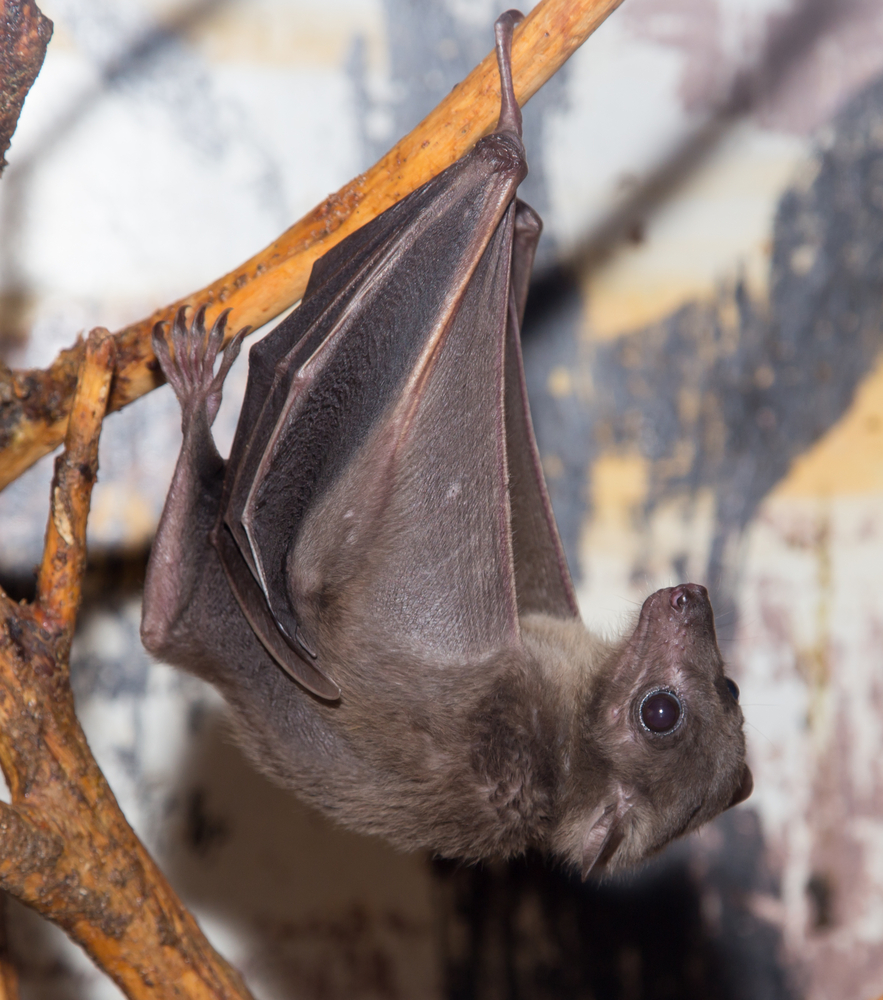
As summer approaches and temperatures rise, the Wyoming Department of Health (WDH) is warning residents about wild animals that may carry rabies. The most common carriers of rabies in our state are bats and skunks, but any mammal can be infected with rabies, including humans.
The first confirmed case of rabies for 2026 occurred in May in Sheridan County. A rabid bat was found in the backyard of a home in a downtown residential neighborhood. This highlights the need to stay alert outdoors, not just in the woods.
Humans and pets can become infected from bites and scratches of an animal with rabies. Rabies is not spread through the touch of an infected animal or its feces or urine.
Bat bites are not always visible. Anyone who has direct contact with a bat or who wakes up with a bat in their room should immediately contact a doctor or public health provider for assessment.
There were six confirmed cases of rabies in Wyoming animals last year. “Rabies is a fatal but preventable disease,” says Dr. Emily Curren, a state public health veterinarian with the WDH. She advises, “Anyone with potential exposure to a rabid animal should wash the wound thoroughly with warm water and soap, and seek medical advice about the need for rabies post exposure prophylaxis (PEP) treatment.”
General Tips for preventing rabies:
Don’t touch or feed wild or stray animals.
Treat animal bites with soap and water and contact a medical professional immediately.
People waking to find a bat in their room or a child’s room should contact a medical professional immediately.
Vaccinate dogs, cats, ferrets, horses and other selected livestock for rabies and keep vaccinations up to date.
For more information about rabies exposure in Wyoming, please visit:
https://health.wyo.gov/publichealth/infectious-disease-epidemiology-unit/disease/rabies/